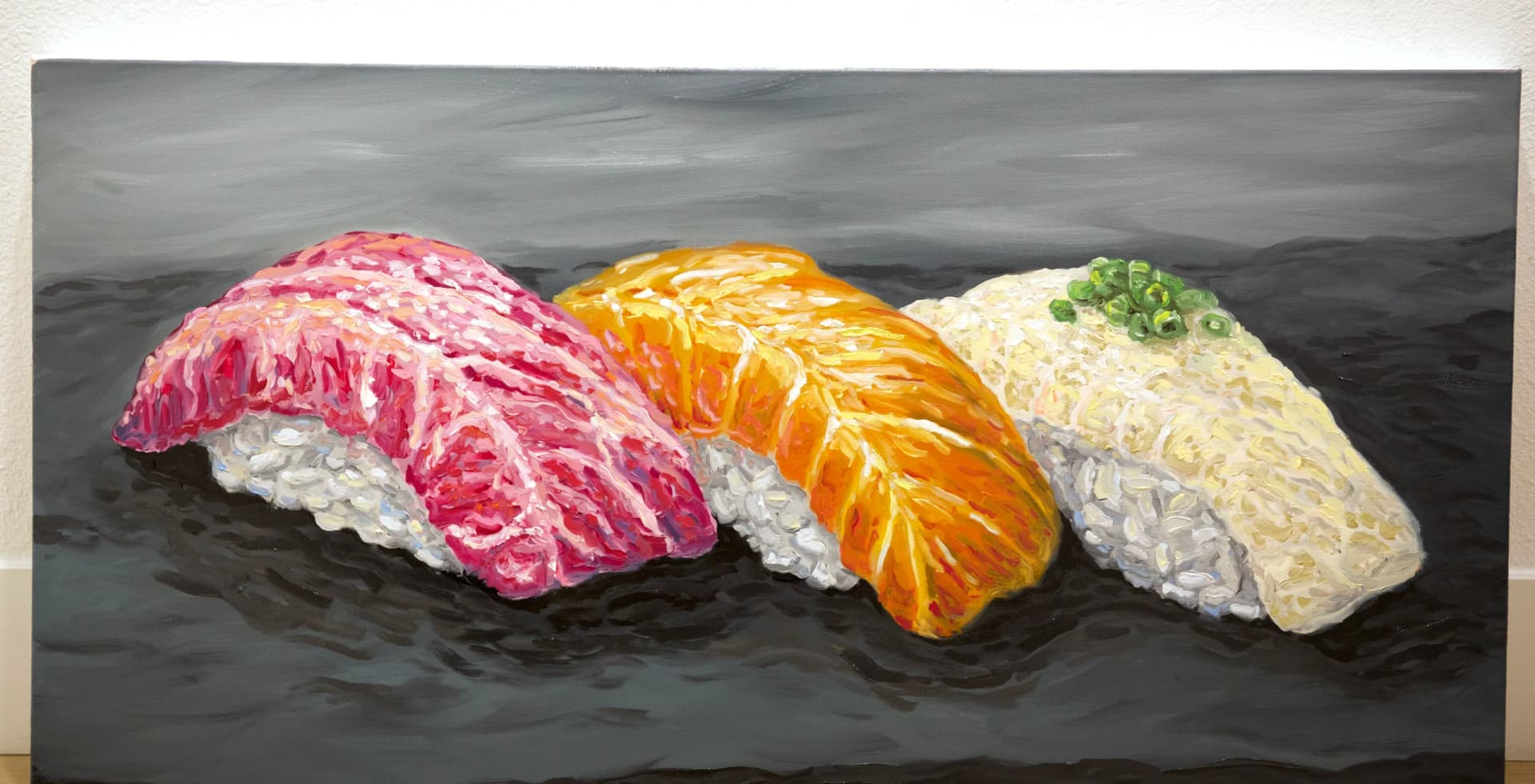
The Artist
Christopher Bolwyn
A visual-effects veteran and lifelong oil painter.
Over twenty years building digital characters for the screen — and a brush in hand since he was twelve.
- Discipline
- Digital Characters · Shading · Grooming
- Painting medium
- Oil on canvas
- Location
- Bay Area, California
The Career
Over twenty years of visual effects for the screen.
Christopher Bolwyn has been a painter since the age of twelve, working in oil — always an artist, whatever else the years asked of him. The path to a screen, and to the work that now defines him, took the long way around.
Out of high school, he joined the Navy. The service behind him, he spent eight years in the snowboard industry — part of its underground scene, and close enough to the front of it to nearly turn pro. It was in those years that he picked up one of the first consumer digital cameras, a Canon XL-1. That camera was the spark: the first time he understood that the way he saw the world might also be a way to make a living.
At twenty-eight he returned to school, enrolling in Media Arts & Animation in Portland, Oregon, where he spent the next three years formalizing instincts he had been teaching himself for half a lifetime. From there he stepped directly into film: first Laika, then Sony Imageworks, then Industrial Light & Magic, and today Pixar.
His specialty across more than twenty years has been digital characters — the shading, surface, and grooming work that decides whether a creature reads as alive on screen. It is exacting work, equal parts physics and intuition, and it trained an eye for how light behaves on a surface that few painters ever acquire.
When Bolwyn came to oil painting in earnest, he brought that expertise whole. His still lifes pose the same questions he spent a career answering in software — the translucency of amber glass, the specular bite off hammered copper, the way a dahlia petal blooms where it meets direct light. The difference is only the instrument: now the renderer is his hand, the tool is a brush, and the result is an object you can hold.
- Discipline
- Digital Characters · Shading · Grooming
- Medium
- Oil on canvas
- Subject
- Macro still life — vibrant color
- Location
- Bay Area, California
Early Work
Before the still lifes.
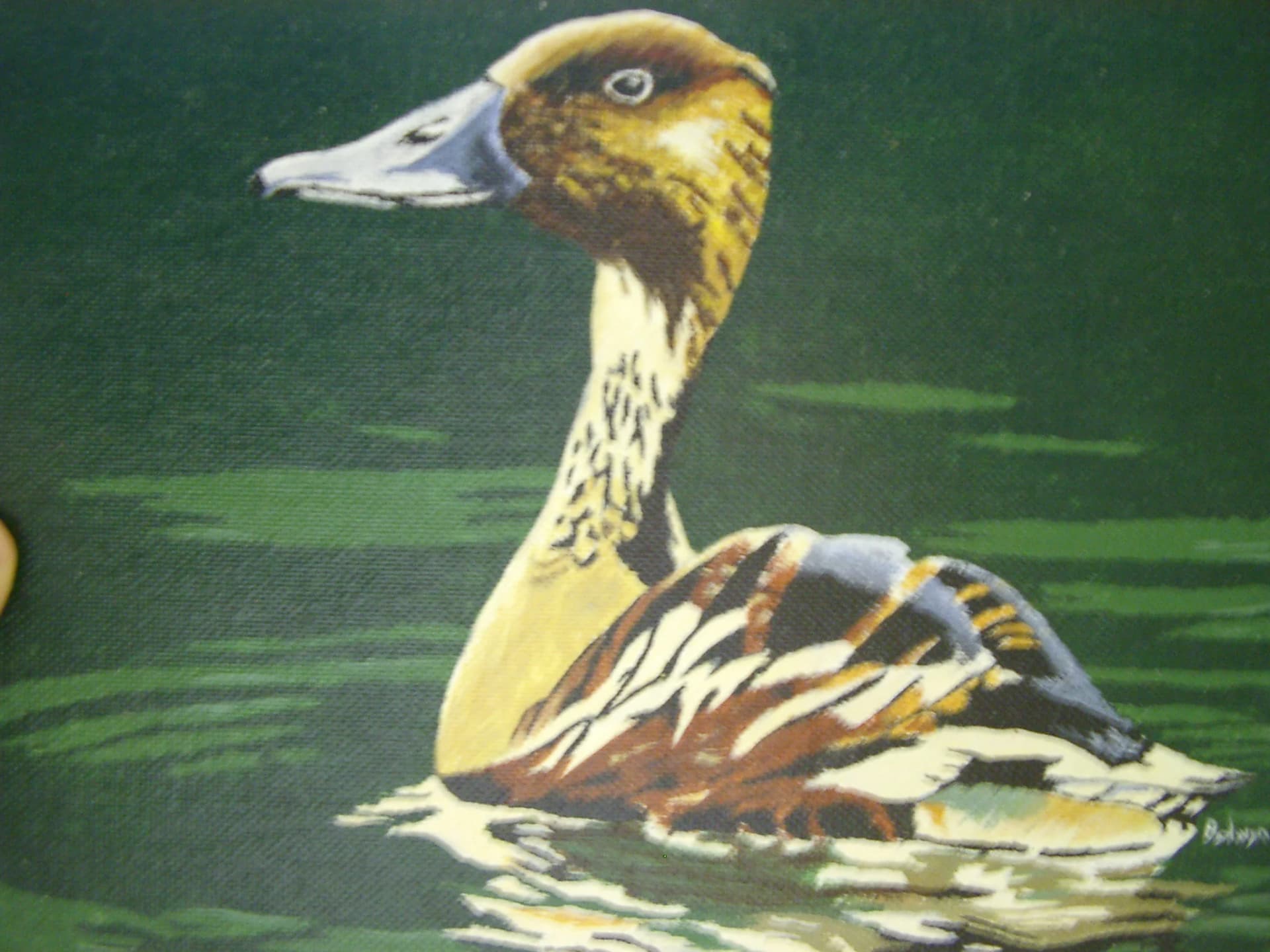
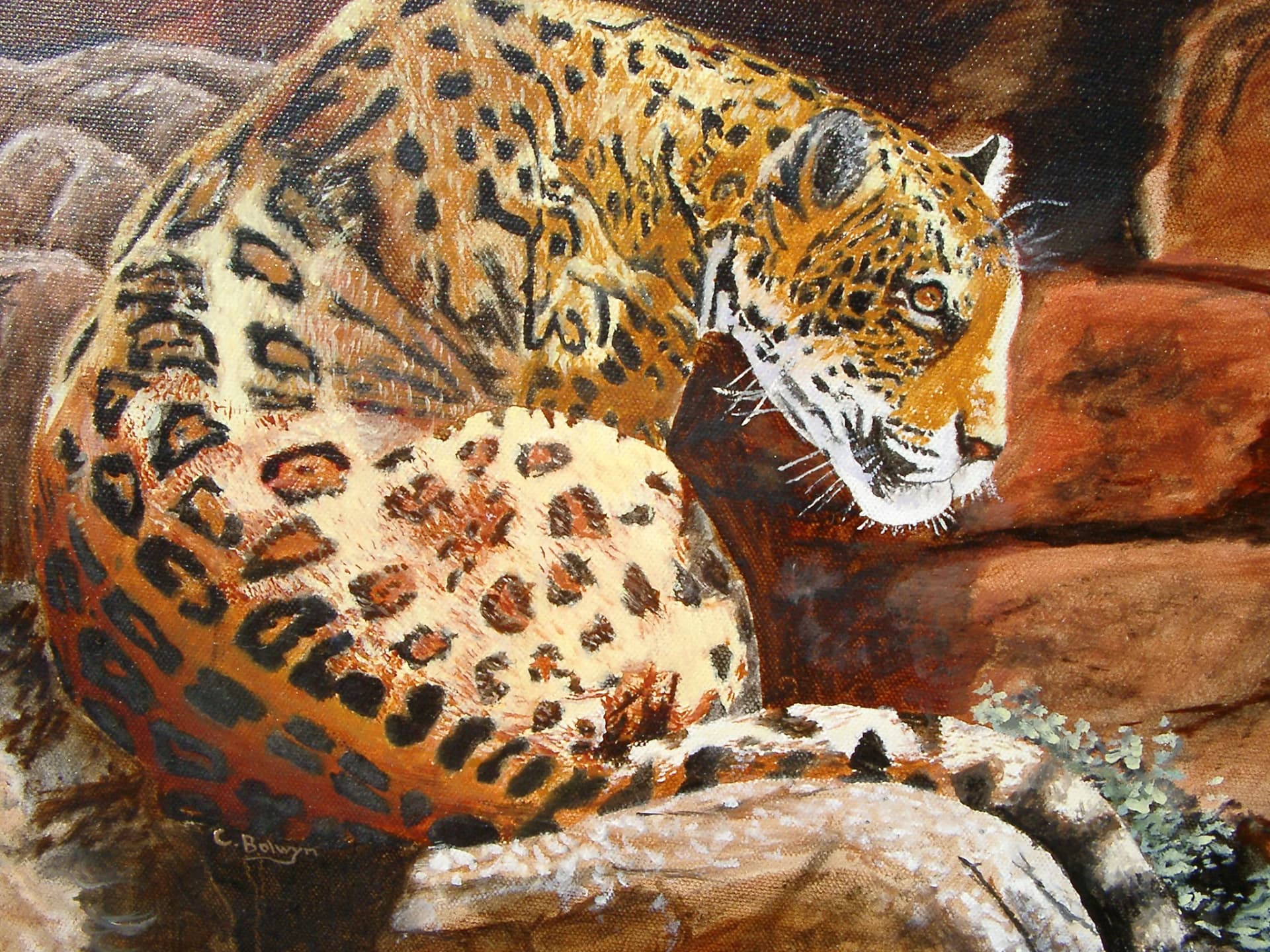
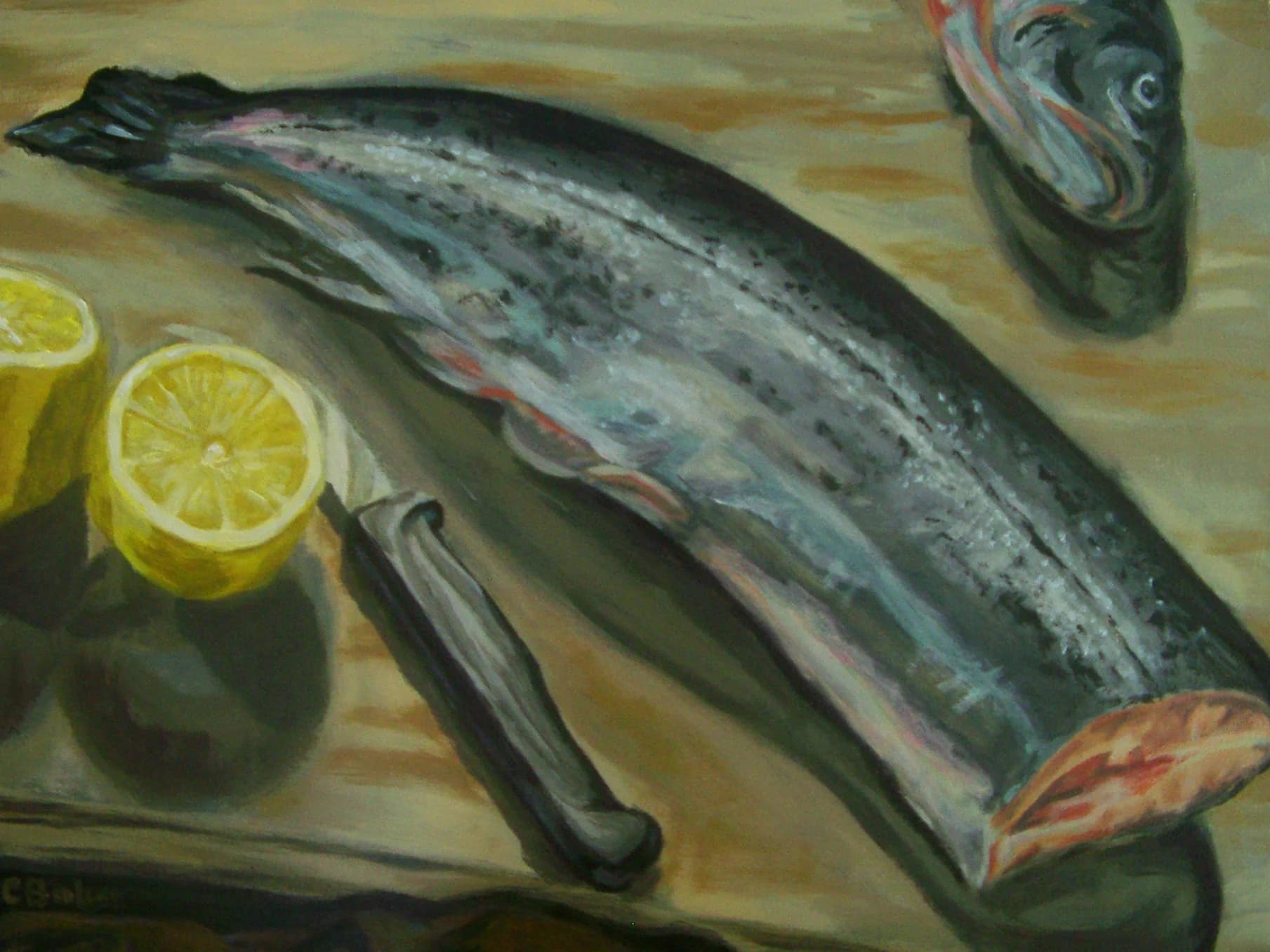
Long before the still lifes, there was a boy with a brush. Bolwyn’s earliest oils trace a self-taught education in plain sight — a duck, a leopard, a trout on a plate — each canvas a quiet act of looking that grew steadily more assured. By his late twenties the studies had become a body of work, and a first show. What follows is a short chronology of the paintings that came first.

Age 14
Where it begins: a fourteen-year-old’s first oil, and already an eye for the weight of a thing.

Age 15
A year on, a harder subject — fur, muscle, and the patience to render both.

Age 17
Tenderness in oil; a study in affection as much as anatomy.

Age 23
The still life arrives early — wet scales, a cold plate, light doing the work.

Age 27
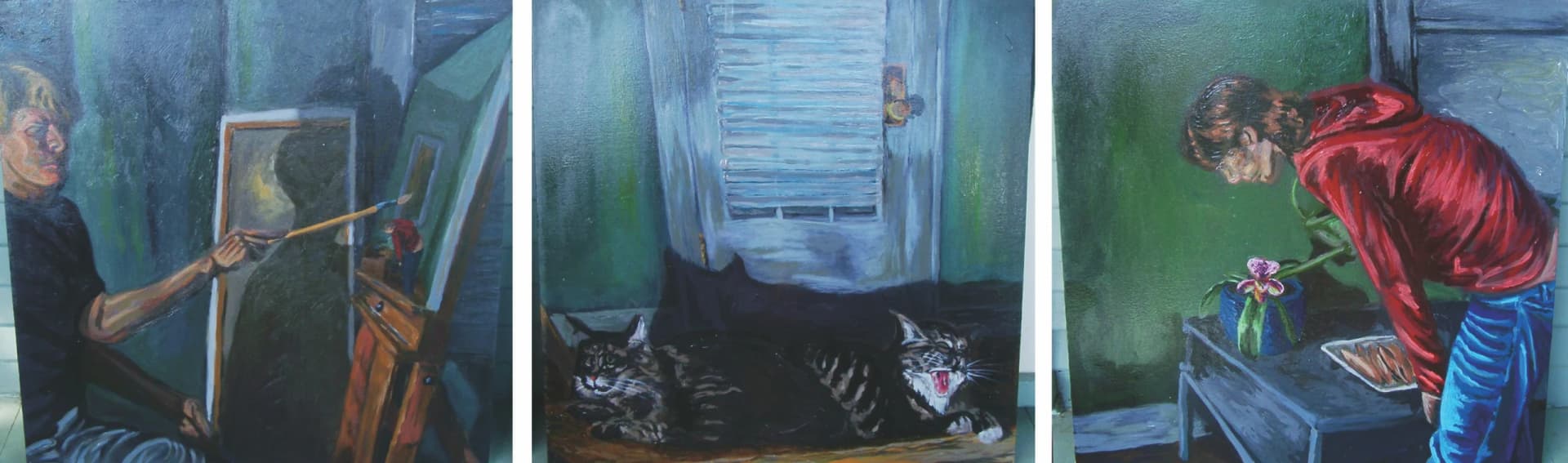
Three panels, one idea — ambition outgrowing the single canvas.

First show
Age 28
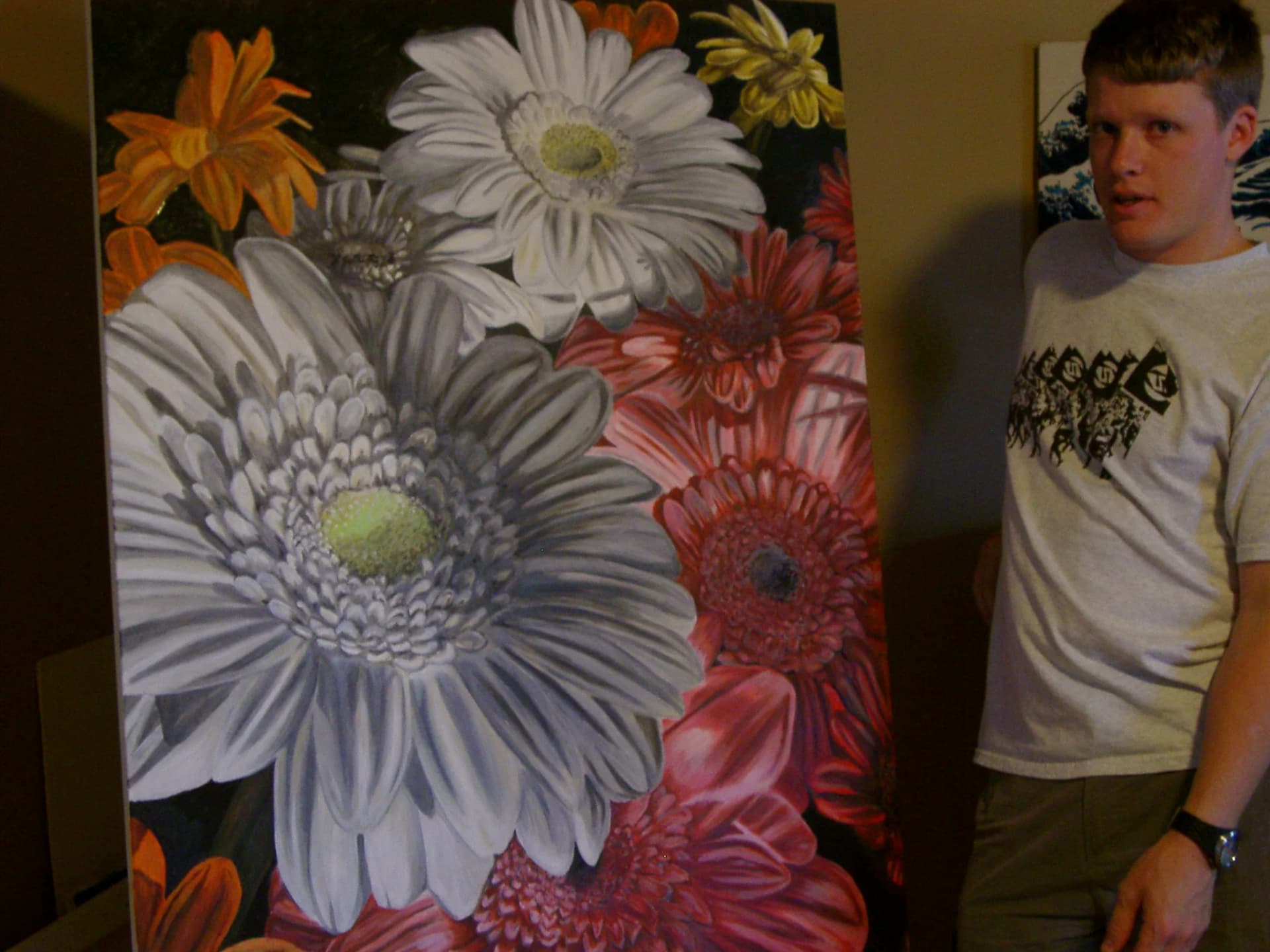
His first exhibition, where “Daisy” sold alongside the work-in-progress of “Dahlia”: the moment the practice became public.
Presented for exhibition, not for sale.
Art School
Portland, and the turn toward the screen.
At twenty-eight, Bolwyn moved to Portland, Oregon, and enrolled in Media Arts & Animation — three years that drew a straight line between the painter he already was and the digital artist he was about to become. The self-portraits of this period read like a painter taking his own measure: the same scrutiny of light and surface that filled his still lifes, now trained on the most difficult subject there is.
It was here that the two halves of his practice converged. The discipline of oil — how form turns in light, how a surface holds the eye — became the foundation for digital character work, where those same problems are solved frame by frame in software. The brush taught the renderer. By the end of these years he carried both fluencies into the film industry, and has never set either down.


Self-Portrait
with Camera
Burglar
Self-Portrait
at Window

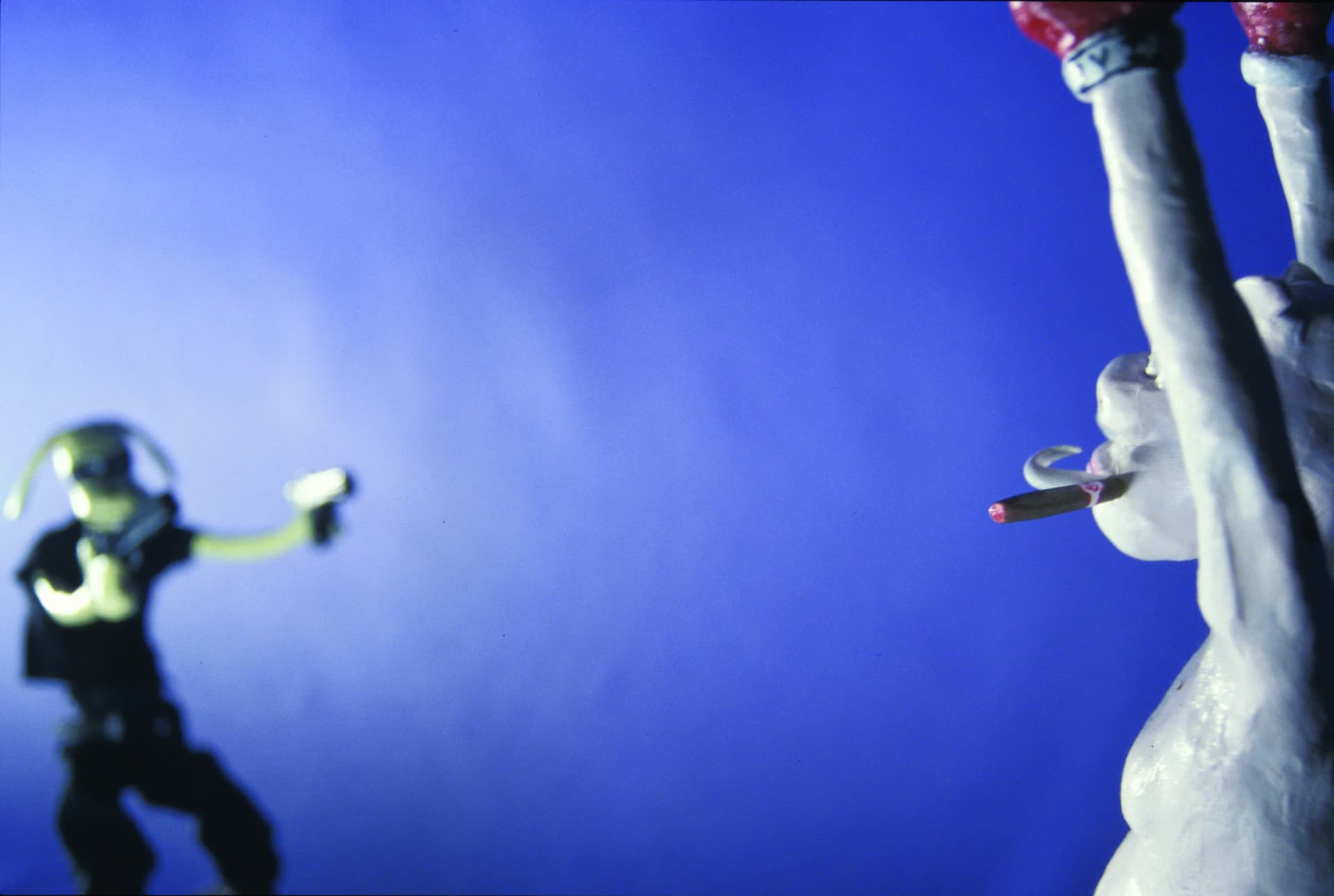
Stop-motion animation test using the artist’s own sculptures.
Media Arts & Animation, Portland · age 28–31
The Practice
Dutch lineage. A contemporary eye.
Bolwyn’s still lifes stand in the long tradition of Dutch and Flemish painting — Chardin, de Heem, van Beyeren — carried forward with a contemporary directness and a vibrancy of color that owes as much to years spent before reference monitors as to the history of the genre. The lineage is honest, but the eye is modern.
Every painting is an exercise in a single problem: what makes a surface read as real to an eye that has spent a lifetime measuring itself against the physical world. The answer, every time, is light. He returns to the studio for it the way other people return to a practice they cannot abandon — not to finish, but to keep looking.
The Family Chapter
They asked for dragons.
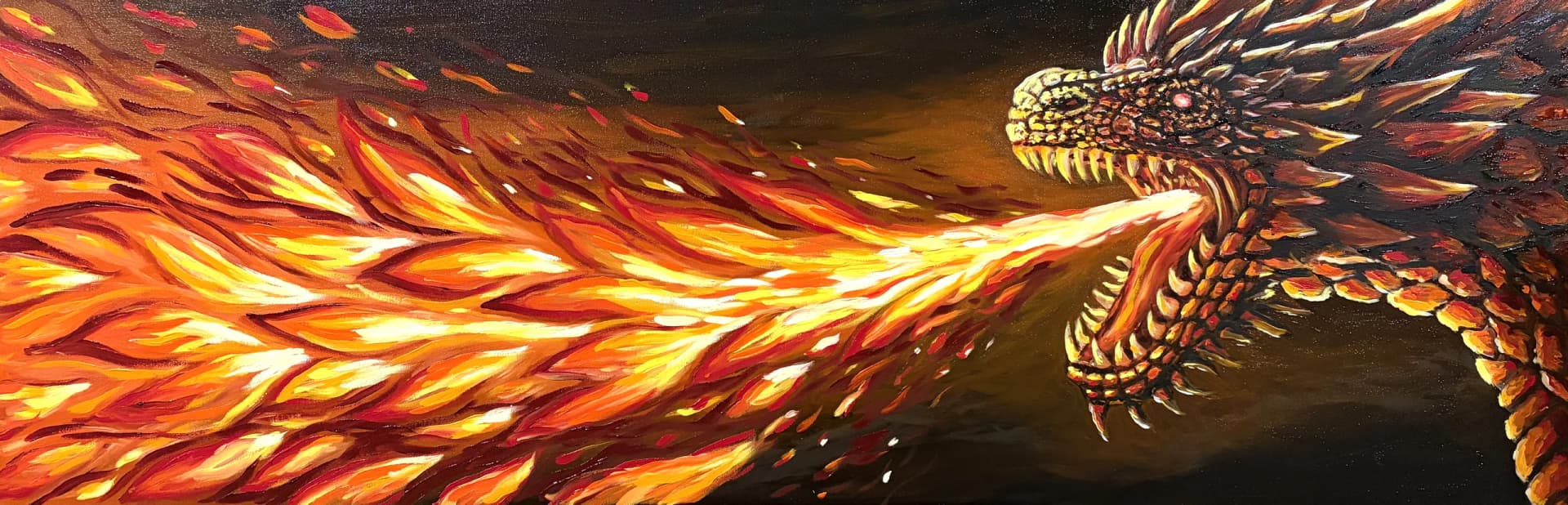
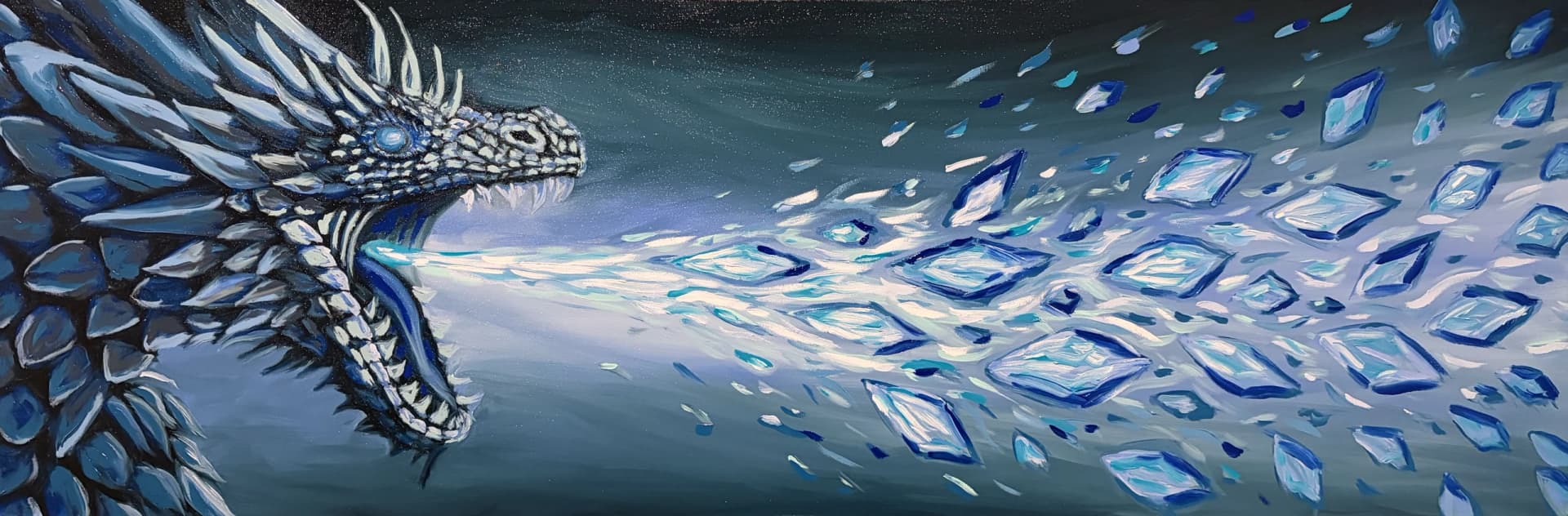
The same eye that spends twenty years chasing light across a single surface gets handed, every so often, a very different brief. His two sons wanted dragons — so he painted them dragons. Fire Dragon and Ice Dragon are exactly what they asked for, made with exactly the care he gives anything else that leaves the studio: real commissions, just from his own children.
His daughter’s brief is harder. Her pet parrot is named Batman, and for her birthdays Christopher paints him — not as he is, but as the bird clearly believes himself to be. The result is an ongoing run of affectionate satire, a parrot rendered with full old-master gravity and absolutely no dignity intact. Two of these hang here.

Fire Dragon · Oil on canvas

Ice Dragon · Oil on canvas
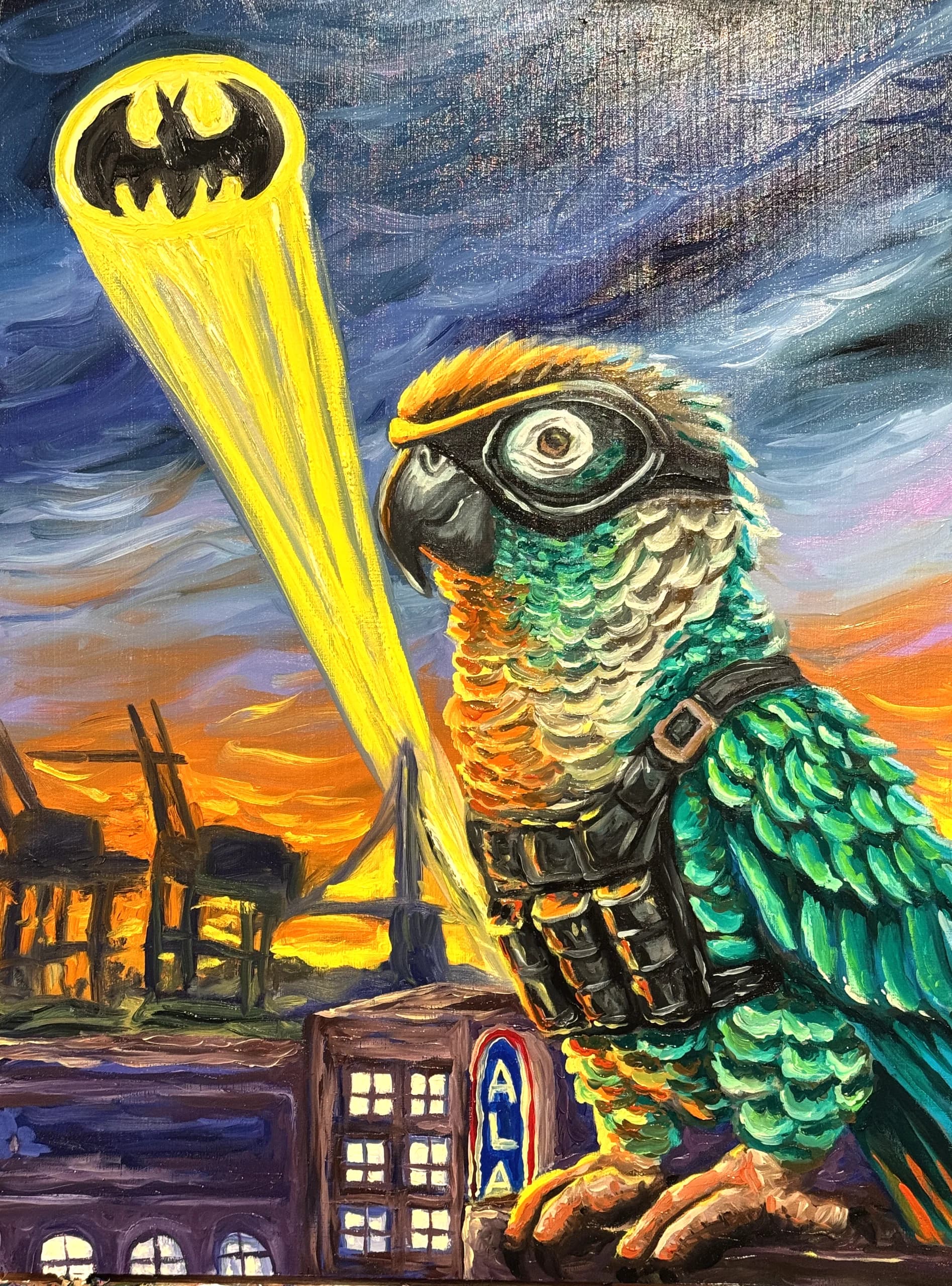
Alameda Asylum
Oil on canvas
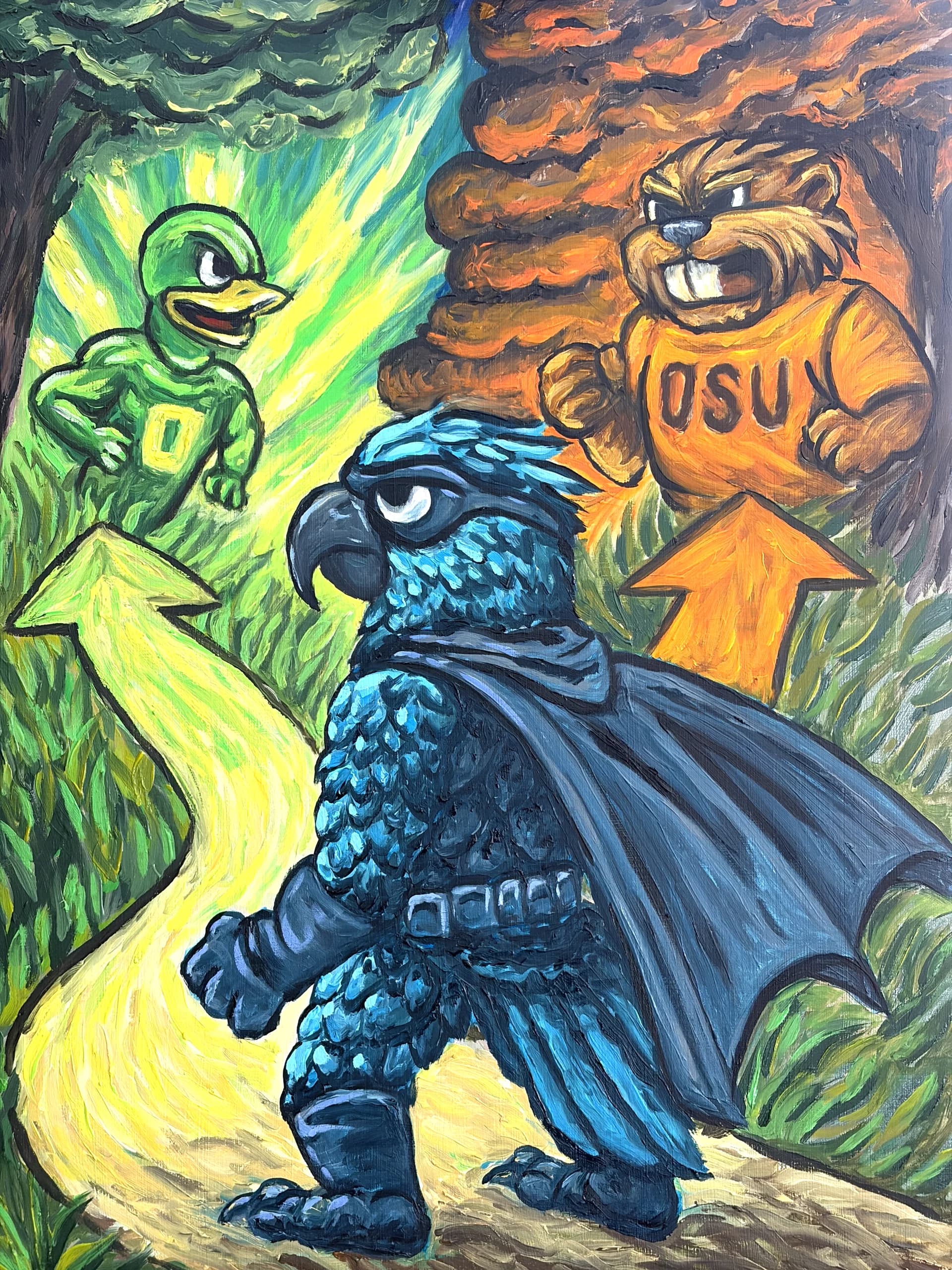
Batman's Choice
Oil on canvas
Watch the Work
A painting from start to finish.
Seventy-six seconds. Dozens of sessions. Oil on canvas.
To inquire about a work, commission, or exhibition: view available works